How-to
How to clean a kamado or Big Green Egg
Published
Note: This page contains affiliate links. If you buy through them we may earn a commission at no extra cost to you. Learn more
In short
Most kamado cleaning is done by heat. Run the cooker hot, around 260 to 300 °C, for 20 to 30 minutes with the lid closed to burn residue off the inside and grate, then brush the grate. When cold, stir the lumpwood and remove ash from the firebox and ash drawer. Never use water, soap or chemical cleaners on the ceramic interior, and look after the gasket by avoiding very high heat for long periods.
Products for this job
Compare all 6 productsWeber Smokey Mountain 14.5 in: compact bullet smoker
Check price on AmazonAffiliate linkOklahoma Joe's Laredo 1100: 1,100 sq in offset
Check price on AmazonAffiliate linkWeber Master-Touch GBS Premium: kettle with smoking kit
Check price on AmazonAffiliate link
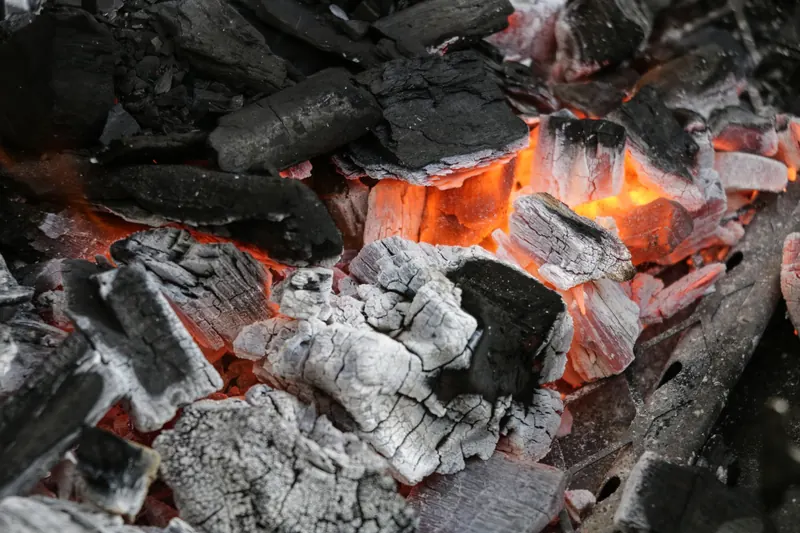
A kamado needs far less scrubbing than a steel grill, because its ceramic interior cleans itself at high temperature. What it does need is regular ash removal, so air can flow, and some care for the gasket and the ceramic. This guide covers the routine for any brand, including Big Green Egg and Kamado Joe, and what to avoid. Always check your own manual, as makers differ on the details.
The burn-off clean
Kamado makers recommend heat rather than chemicals for the inside. Grease and smoke residue on the dome and walls carbonise at high temperature and flake away as harmless ash. The black flakes you sometimes see inside the dome are this carbon, not peeling ceramic.
- 1
Fill the firebox with lumpwood and light it as normal.
- 2
Remove food and leave the grate in place; a deflector can stay in if it is dirty.
- 3
Open the vents to bring the kamado up to about 260 to 300 °C.
- 4
Keep the lid closed and hold that heat for about 20 to 30 minutes.
- 5
Burp the lid carefully, then brush the hot grate with a suitable grill brush.
- 6
Close both vents to put the fire out and let the kamado cool completely.
Note:At high temperatures, open the lid slowly a little at a time (burping) to avoid a flash of flame. Wear heat-resistant gloves. Many makers warn against very hot runs on a new gasket, as heat can damage it; follow your manual.
Removing ash
Ash builds up below the charcoal and blocks the air holes, which makes the kamado hard to get hot. With the cooker completely cold, stir the leftover lumpwood with an ash tool so ash falls through the charcoal grate. Then remove it through the bottom vent with an ash tool, or slide out the ash drawer on models that have one, such as the Kamado Joe Classic.
Do this before every cook if you can, or at least every few cooks. Every so often, lift out the charcoal grate and clear the holes. Put ash in a metal bin and only once you are sure it is cold, as embers can stay hot for many hours.
- Air in
- Heat rising
- Smoke out
What never to do
Ceramic is porous and can crack from thermal shock. These common mistakes are best avoided.
- Never pour water into a hot kamado or onto hot ceramic to cool it or put the fire out.
- Never use soap, oven cleaner or chemicals on the ceramic interior; it can absorb them.
- Never use lighter fluid or instant-light charcoal; odours can soak into the ceramic.
- Avoid running very hot right after a cold, wet period without warming the cooker gradually.
- Do not cover or move the kamado until it is completely cold.
Grates, deflectors and the outside
Stainless steel grates can be brushed hot after a burn-off, and washed in soapy water when cold and removed. Cast iron grates should be brushed, dried and lightly oiled to prevent rust. Heat deflector stones get stained and that is normal; burn them clean, and if a drip tray was not used, turn them over for the next cook so the dirty side faces the fire.
Wipe the outside glaze with a damp cloth and a mild cleaner if needed. Check the metal bands, hinge and vents occasionally, tighten bolts as the manual describes and keep the vents moving freely. A breathable cover helps in a British winter; see how to measure for a BBQ cover.
Looking after the gasket
The felt or fibreglass gasket between the lid and the base seals the cooker, which is what lets a kamado hold low temperatures. It wears over time, especially with frequent very hot cooks. Signs of wear are smoke leaking around the rim and difficulty holding low temperatures.
Avoid scraping the gasket and keep grease off it. When it is worn, replacement gaskets are available from the maker or dealers, and the manual or dealer can explain fitting. If you are deciding whether a kamado suits your routine at all, compare it with a kettle in kamado vs kettle, or look at best charcoal smokers.
Frequently asked questions
How often should I clean a kamado? Remove ash before most cooks, and do a burn-off whenever the inside looks greasy or smells stale, perhaps every few weeks in summer.
Can I wash the inside of a Big Green Egg? Makers advise against water and soap on the ceramic interior; use a high-heat burn-off instead.
What are the black flakes inside my kamado? Usually carbonised grease and smoke, which a burn-off and a gentle brush remove.
What about mould after winter? A burn-off at high temperature usually clears it. Remove the grate and deflector first, then run hot with the lid closed.
What you need
- Check price on AmazonAffiliate link
Weber Smokey Mountain 14.5 in: compact bullet smoker
- Check price on AmazonAffiliate link
Weber Original Kettle 57 cm: One-Touch ash catcher